
In a renovation, attention usually focuses first on the most visible materials: flooring, cladding, furniture, layout, or colour choices. These are important decisions and easy to imagine from the start. However, the quality of a project is not defined solely by these elements. Often, what makes the difference comes at the end, when it is time to deal with junctions, edges, corners, and transitions.
A well-finished space is one that feels organized, coherent, and comfortable to use. To achieve this, choosing good materials is not enough. You also need to consider how they meet one another, how they finish at each edge, and how they fit into high-traffic areas. These are details that can go unnoticed in the initial planning but ultimately have a great influence on the final feel of the project.
When these points are left to the last minute, it is easier to make rushed decisions. A slight height difference, an unprotected corner, or a poorly integrated transition can cause the whole project to lose visual quality, even if the rest of the renovation is well planned. For this reason, technical profiles and trims should be part of the planning from the beginning.
One of the most common situations in any project is where different types of flooring meet. It can occur between two rooms, between indoors and outdoors, in a partial renovation, or in spaces where existing materials are combined with new ones.
If these transitions are not handled properly, the space can look unfinished. It is not always a major problem; sometimes a single badly integrated line is enough to break the continuity of the finish. Height differences, changes in texture, or cuts between materials call for a solution that brings visual order to the whole and makes it easier to move from one area to another.
In these cases, profiles such as Eurotransition 201A provide a neat finish where different types of flooring meet and help resolve differences in level between materials. It is a particularly useful solution when you want a cleaner finish and a more natural look to the space.
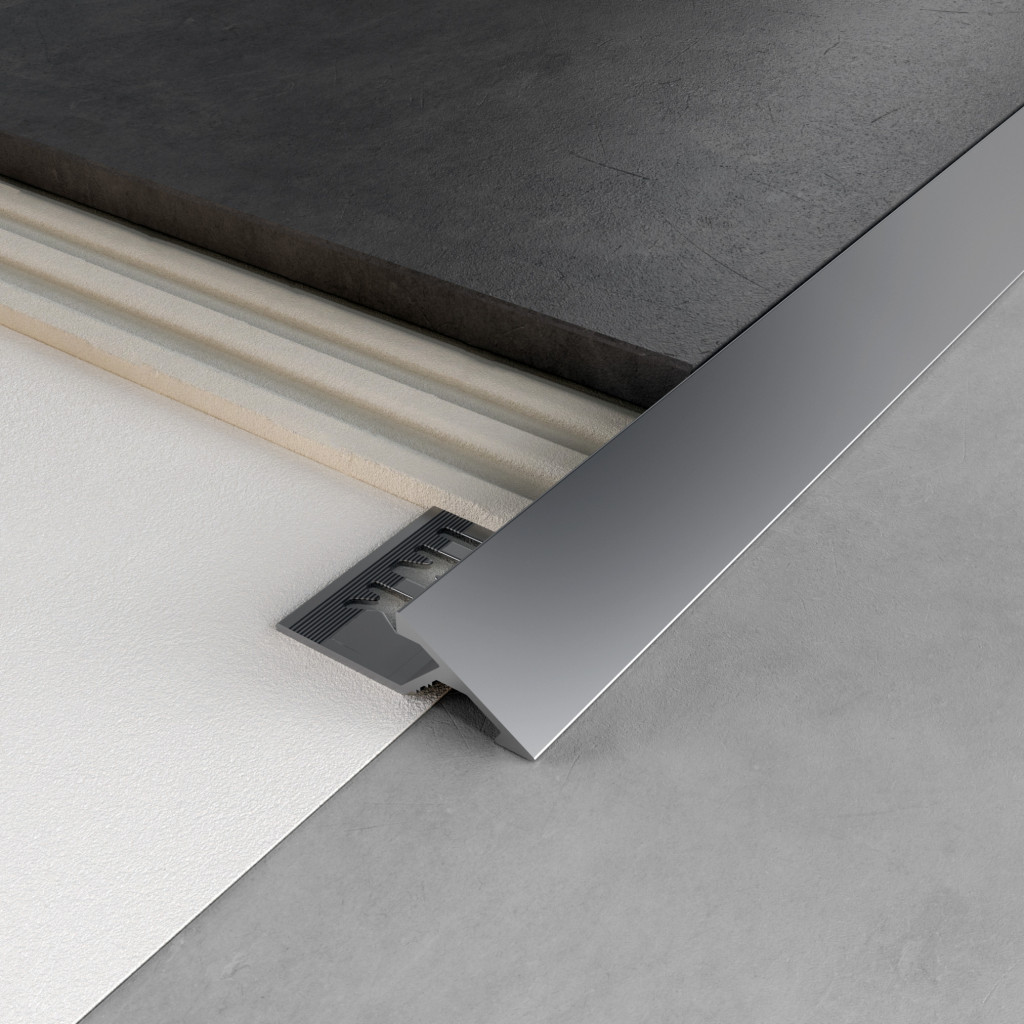
Edges and corners also play an important role in the perception of quality. In bathrooms, kitchens, circulation areas, clad walls, or frequently used spaces, edges are exposed to knocks, scuffs, constant cleaning, and daily wear.
An unfinished corner might go unnoticed at first, but with use, it often becomes one of the first places where signs of deterioration appear. Furthermore, it is not just about protecting the material. A good profile also provides continuity, symmetry, and a more polished overall look.
Solutions such as Eurocorner 171 help protect external corners on ceramic cladding and give the finish a cleaner look. When the detail plays a more prominent role in the design, profiles such as Eurocorner 183A can serve a dual purpose: protecting the edge and enhancing the look of the space.
In many renovations, the goal is not just to renew a surface. The aim is also for the entire space to have a coherent look. This is especially true when working on various areas of a home, commercial premises, hotel, or tourist apartment. Each room may have different needs, but the whole must feel integrated.
Trims help achieve this continuity. A well-chosen profile can link materials, tidy up lines, define junctions, and keep each area from looking as if it had been finished in isolation. When they are planned from the outset, the result looks more natural and less forced.
Versatile products such as Euromultipurpose 212A can be used for floor and wall trims, dividers, or finishes where a flexible solution is needed. Their value lies precisely in that ability to handle different details while keeping a consistent aesthetic.
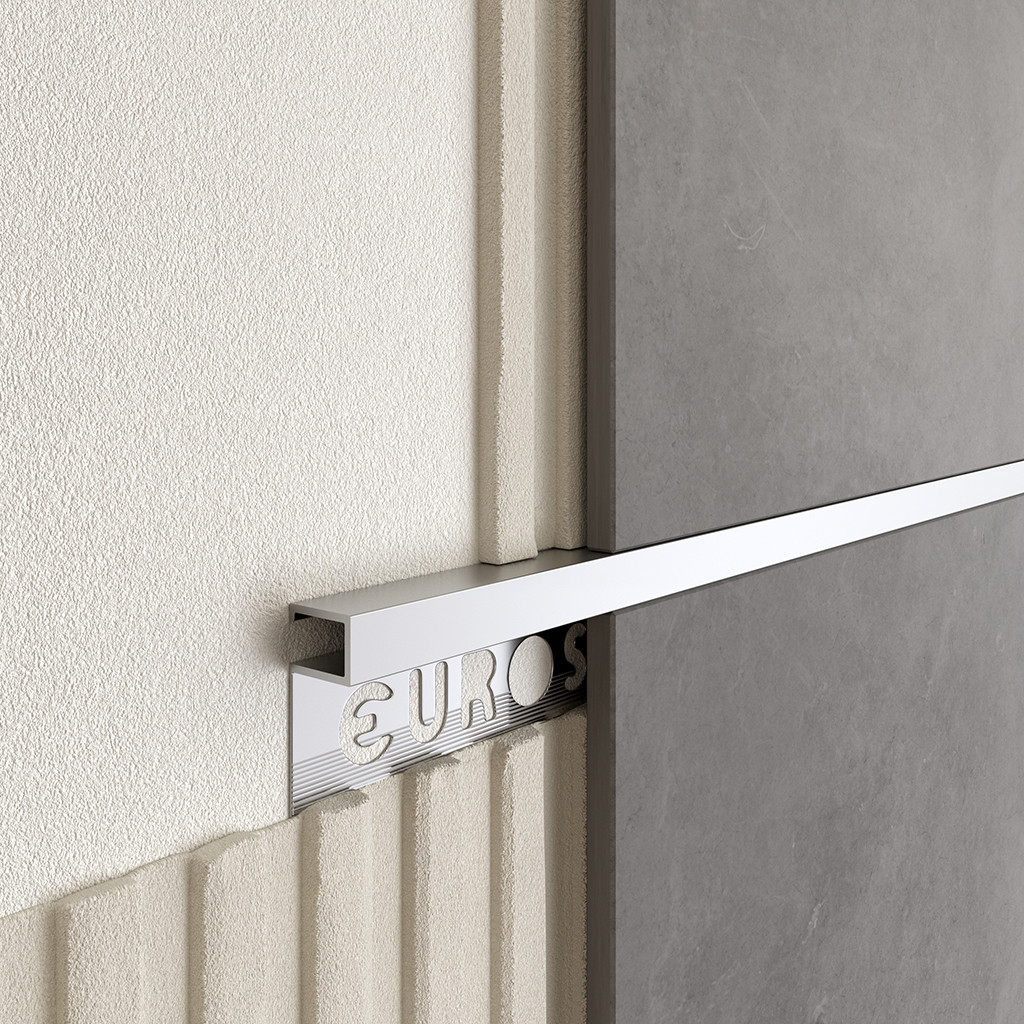
Final trims are also important on walls, low walls, vertical cladding, and junctions between surfaces. These are highly visible areas and, in many cases, are close to entrances, narrow passageways, furniture, or frequently used areas.
When the edge of a wall is not properly finished, the space can feel like an unfinished job. Even if the cladding itself is fine, the point where the material ends needs a solution that protects and defines it. This is especially important in professional environments, where the image of the finish directly influences the perception of quality.
In situations like these, profiles such as Eurocorner 193A help protect and better define exposed corners on clad surfaces. When you need greater durability or a more technical look, Eurocorner 193S offers the same function in stainless steel and adapts well to spaces with heavier use or higher maintenance demands.
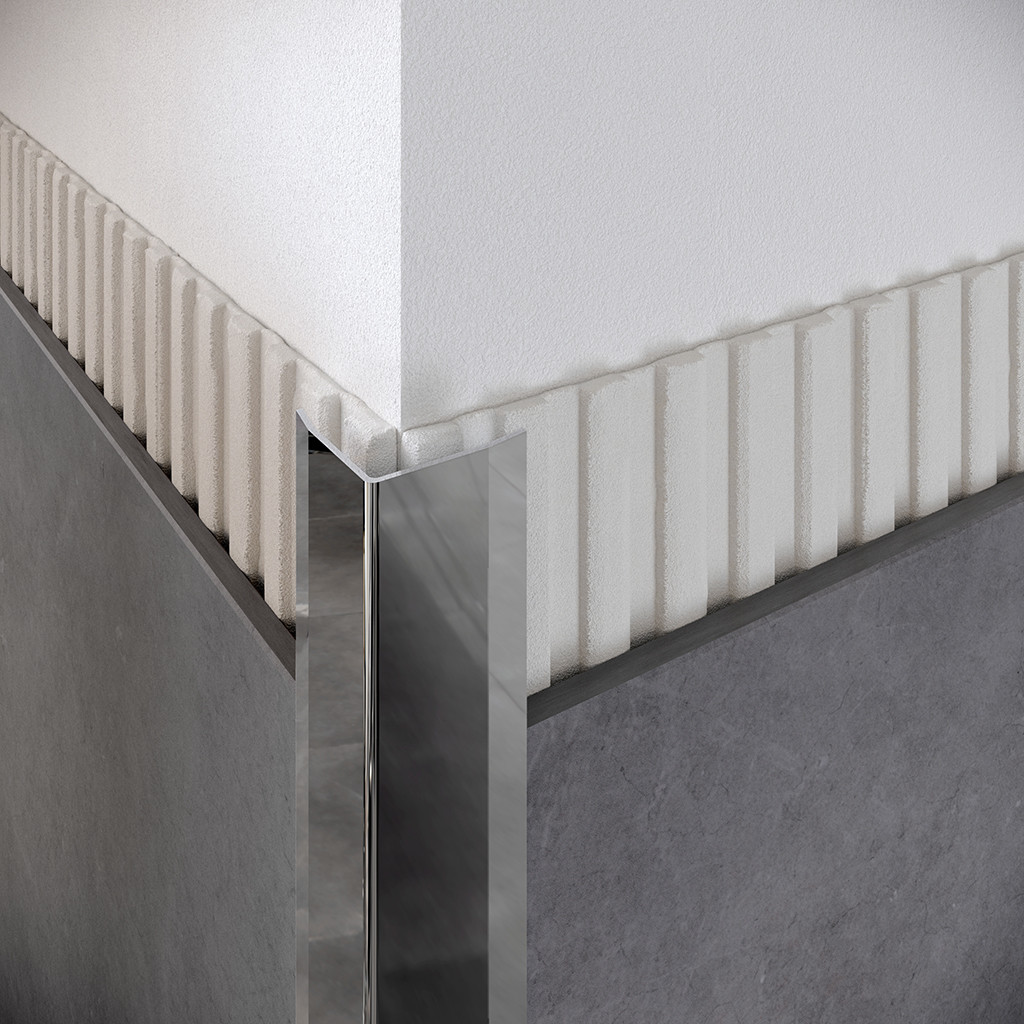
One of the most common mistakes is only thinking about trims when the project is practically finished. At that point, options may be more limited and decisions are usually made in a rush. The result may work, but it will not always be the best fit for the project as a whole.
Planning them at an earlier stage means you can choose profiles more carefully, anticipate where materials will meet, coordinate measurements, and avoid improvised adjustments. It also helps maintain aesthetic coherence and reduce problems during installation.
This point is especially relevant in renovations with tight deadlines, partial handovers, or spaces that must be put into use quickly. When the final details are planned for, project completion is smoother and conveys a greater sense of control.
The final details do not only influence how a renovation looks on handover day. They also affect how it ages. A protected edge, a well-executed transition, or the right trim can reduce visible wear and make maintenance easier over time.
In heavily used spaces, this difference is even more noticeable. Hotels, apartment buildings, commercial premises, tourist apartments, or high-traffic homes need finishes that are not only attractive but also hard-wearing and easy to maintain. A careless choice can lead to minor issues, dirt accumulation, premature deterioration, or a general feeling of neglect.
For this reason, technical trims should be understood as an investment in durability. They are not secondary elements, but components that help prolong the useful life of the space and maintain a professional image for longer.
A renovation is not judged solely by the chosen materials, but by the way they all meet each other. Quality lies in continuity, in the precision of the lines, in the protection of vulnerable points, and in the absence of improvised decisions.
The final details are often what elevate a project from merely adequate to well executed. They do not always draw attention directly, but when they are well executed, the space feels more organized, more durable, and more carefully designed.
Before finishing a project, it is worth checking the points where quality can be lost: transitions between flooring, corners, edges, wall trims, visible joints, junctions between materials, and areas exposed to daily use. Each of these elements helps ensure that the finish maintains the same quality that was planned at the start.
Because a well-finished renovation is not just one that looks good on the first day. It is one designed to be used, maintained, and retain a professional image over time.
If you need advice on choosing the right trim solution for your renovation, contact us. We will help you find the option that best suits your project and contributes to a cleaner, more functional, and more durable finish.